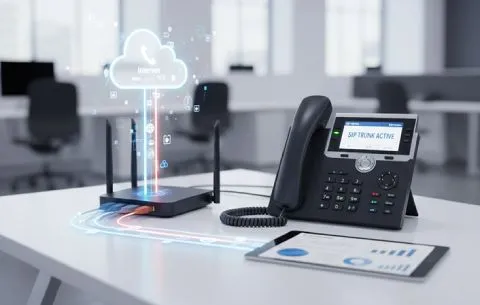
The lack of integration between telephony and CRM systems forces employees to manually search for customer records during conversations, which increases Average Handling Time (AHT). Information about missed calls is lost in phone logs, and managers lack objective insight into the number of made and received calls. As a result, sales representatives waste time manually entering call notes from billing records into the system.
Use Cases
Scenario 1: Automatic display of customer data during an incoming call
A customer calls the support department, and the agent must ask for their order number and name, which causes frustration and prolongs the conversation.
When an incoming call arrives, PLFON sends a request to the CRM system. The CRM matches the phone number and displays the full customer history on the agent’s screen before the call is even answered.
A 30% reduction in call handling time and increased customer satisfaction.
Scenario 2: Click-to-Call automation and event logging
Sales representatives waste time manually dialing phone numbers and often forget to log completed calls in the CRM.
SIP/tel links are implemented inside the CRM. Clicking a phone number on the screen initiates a call via PLFON, and after the call ends, the system automatically adds a record to the contact history, including a link to call billing data.
A 25% increase in the number of calls made by a sales representative and 100% data accuracy in the CRM.
Business Benefits
Removal of manual re-entering of phone numbers and call data by employees.
No call is missed — the CRM automatically creates a “call back” task when a missed call is detected in PLFON.
Immediate access to raw performance data of the call team directly in CRM management dashboards.